
A bad read of a judge can sink a strong argument faster than weak evidence ever will. I have seen smart legal work lose its bite because someone treated the bench like a mystery instead of a pattern you can study. That mistake costs time, money, and sometimes the whole case mood before the real fight even starts.
The smartest place to begin is with judge analysis methods. You are not trying to guess a personality from thin air. You are trying to read habits, language, pressure points, and courtroom rhythm with your eyes open. That is a very different job, and it gives you something you can actually use.
This matters most when you are doing a serious court case review and need more than a pile of filings. You need judgment about the judge. That sounds obvious, yet plenty of case prep still stops at facts and law, as if the person hearing both does not matter. They do. A lot.
Good judge analysis does not mean playing amateur mind reader. It means spotting recurring choices, matching your presentation to what the court rewards, and staying disciplined when your own assumptions try to lead you astray. That is where cases stop feeling random and start feeling readable.
Start With Rulings, Not Reputation
The cleanest way to read a judge is to ignore the gossip and study the work. Lawyers love hallway folklore because it feels fast. It also fails you when it matters most. A judge may have a public reputation for being tough, lenient, flashy, old-school, or impossible to please. None of that means much until you see what actually happens in written orders and live hearings.
Read a handful of recent rulings from the same judge and look for repeat behavior. Does the judge write narrowly or roam into bigger policy talk? Do they punish sloppy briefing right away, or give lawyers room to fix mistakes? The answers tell you more than ten whispered opinions from people who want to sound connected.
A good example is a motion calendar where one judge keeps rewarding concise briefs while another clearly responds better to a more layered record. Same courthouse. Same type of dispute. Very different bench habits. That difference changes how you build your file and how much detail you surface at each stage.
Your job is not to label the judge. Your job is to map the judge’s working style. Once you do that, the case stops feeling abstract. It starts feeling like a real contest in a real room.
Track What Makes the Judge Impatient
Every judge has a tolerance line, and once you find it, half your preparation gets sharper. Some judges lose patience with bloated briefing. Others hate emotional overreach. Some cannot stand when counsel dodge a direct question and keep reading from notes like they are hiding inside the paper.
This is where court case review becomes more than document collection. You need to study friction. Look at transcripts, minute entries, and hearing notes if you have them. Mark the moments where the judge interrupted, narrowed the issue, or pushed a lawyer back to the record. Those are not random flashes of mood. They are clues.
I once watched a hearing where a lawyer kept citing broad fairness language while the judge kept asking for one thing: where is the limiting principle? The lawyer never adjusted. The bench had already told the room what mattered, and counsel still missed it. The argument was not dead on arrival, but it died standing up.
Build an impatience list for each judge you study. Keep it simple. Note the kinds of arguments that get cut off, the habits that trigger irritation, and the weak spots the judge attacks first. When you prepare with that list in mind, you stop feeding the bench what it rejects and start making your strongest points land faster.
Read the Questions More Than the Comments
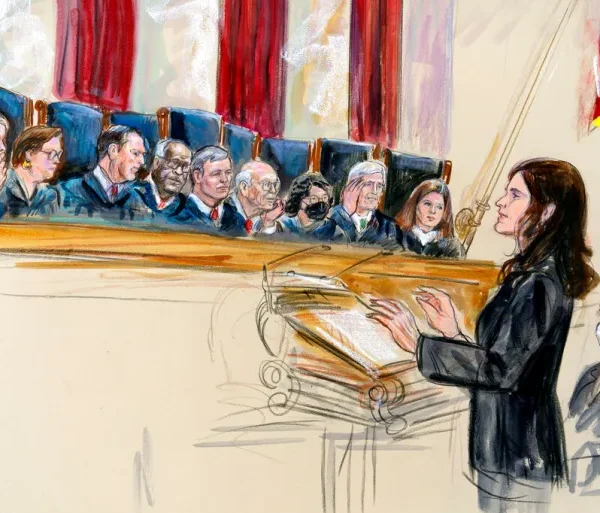
Most people listen to a judge’s comments and miss the more useful signal hiding in plain sight: the questions. Comments can be performance, pressure, or quick courtroom management. Questions usually show where the judge thinks the case turns. That is the nerve line.
When a judge asks whether your theory has a stopping point, they may be testing future consequences. When they ask why a rule should apply here and not in the next case, they may be worried about spillover. When they ask for timing, sequence, or notice, procedure may matter more than the headline dispute. That is real information, not theater.
The best judge analysis methods pay close attention to how questions repeat across different matters. One judge might always ask about burden and proof structure. Another may focus hard on fairness between parties. A third may circle back to statutory text every single time, even when counsel keep trying to turn the hearing into a policy debate.
This is also where preparation gets human. Judges often show their thinking sideways, not in polished speeches. A clipped question, a raised eyebrow, or a demand for one clean answer can reveal more than two pages of polite commentary. Listen there. That is where the room tells the truth.
Separate Style From Substance Before You React
A sharp judge can sound hostile without leaning against you on the law. A warm judge can smile while dismantling your position brick by brick. If you confuse style with substance, you will misread the hearing and make bad choices in real time.
Some lawyers panic when a judge interrupts early and assume the court hates their argument. Sometimes the opposite is true. A judge may interrupt because they have engaged with the point and want to push it to the edge. Other times a calm bench masks deep skepticism. Nice tone can fool unprepared people. It does that every day.
Train yourself to sort delivery from direction. Ask what the judge is doing, not how the moment feels. Did the court narrow the issue? Did it test both sides equally? Did it ask for authority, facts, or practical fallout? Those signals matter more than whether the exchange felt pleasant.
A simple real-world example: one judge in a busy civil docket may speak bluntly to everyone just to keep the calendar moving. Another may be soft-spoken yet relentless about weak records. If you react only to tone, you will prepare for the wrong battle. Cool heads read the mechanics first. The drama is usually the least useful part.
Build a Living Bench Profile, Then Update It
The smartest analysis is never static. Judges change over time. Dockets change them. New kinds of disputes change them. Even a seasoned judge may handle a flood of similar cases for six months and develop sharper instincts, shorter patience, or a different way of testing proof. If your bench profile sits untouched, it goes stale fast.
Build a working profile you can update after every meaningful hearing or ruling. Keep it lean: writing style, hearing habits, favored authorities, common objections, response to weak facts, and how the judge handles overconfident lawyers. That last one matters more than people admit.
This profile should never become fan fiction. Keep it tied to observable patterns. Write what happened, not what you felt. “Asked twice for record support” helps. “Seems biased” usually does not, unless the record truly shows something specific and serious. Sloppy notes create sloppy strategy.
A living profile also helps teams stay consistent. Junior lawyers, staff, and reviewing attorneys all get sharper when they work from the same grounded picture. That keeps one loud impression from hijacking the whole case plan. Good bench analysis is not glamorous. It is disciplined memory. And discipline wins more often than flair.
Conclusion
The best courtroom readers do not treat judges like puzzles wrapped in ego. They treat them like decision-makers with patterns, preferences, limits, and tells that can be studied with care. That approach turns preparation from guesswork into craft, and craft usually beats panic.
By the time you finish reviewing rulings, tracking impatience, decoding questions, separating style from substance, and keeping current notes, judge analysis methods stop sounding like a fancy phrase and start working like practical case equipment. That shift matters because better bench reading changes how you write, what you argue, and when you push or pull back.
Here is the part many people miss: you are not trying to charm the court. You are trying to meet it honestly, on its terms, with the strongest version of your case. That is harder than showmanship and far more effective.
So do not settle for generic preparation. Build a bench profile before your next hearing, test it against the record, and refine it after every appearance. If you want better outcomes, start reading judges with the same seriousness you already give the facts.
What are the best ways to analyze a USA judge before a hearing?
Start with recent rulings, then review transcripts, scheduling orders, and courtroom remarks. Pay attention to recurring questions, timing preferences, and reactions to weak briefing. You are looking for patterns, not gossip. That difference turns vague impressions into preparation you can trust.
How do lawyers study a judge’s decision-making style in court cases?
Lawyers study written orders, oral arguments, and case management choices. They compare how the judge handles similar disputes, deadlines, and weak records. Over time, those choices reveal what the judge values most, whether that is precision, fairness, speed, or strict procedure.
Why is judge analysis important for court case preparation?
Judge analysis matters because the same legal argument can land differently depending on the bench. When you know what the judge questions, dislikes, and rewards, you shape your filing and hearing plan with purpose instead of walking in blind and hoping.
How can you find patterns in a judge’s past rulings?
Read several rulings from the same judge and mark repeated themes. Notice writing length, cited authority, treatment of bad facts, and tolerance for procedural errors. Patterns usually appear in clusters, and once you see them, your preparation becomes much more disciplined.
What should you look for in a judge’s courtroom behavior?
Watch how the judge manages time, interrupts counsel, and frames disputed issues. Notice whether questions focus on facts, law, fairness, or procedure. Those choices reveal pressure points. Tone matters less than direction. The courtroom tells you plenty if you listen carefully.
Do judge questions during hearings reveal likely case outcomes?
Questions can hint at a judge’s concerns, but they do not guarantee an outcome. A tough question may reflect real doubt or simple testing. What matters is the pattern of questions, especially the issues the judge returns to more than once.
How do you avoid misreading a judge’s personality or tone?
Separate courtroom style from legal direction. Some judges sound sharp with everyone, while others stay pleasant even when they disagree deeply. Focus on what the judge asks, narrows, and demands from the record. Substance beats tone every single time in analysis.
What sources help with researching a judge in the United States?
Useful sources include written opinions, docket entries, hearing transcripts, local rules, judicial biographies, and credible court reporting. Bar chatter can provide leads, but it should never drive your conclusions. Reliable analysis begins with documents and courtroom conduct you can verify.
Can judge analysis improve motion writing and oral argument?
Yes, because it helps you choose the right emphasis, pace, and level of detail. A judge who hates clutter needs tighter briefs. A judge who probes policy needs cleaner consequences. Better bench reading makes your written and spoken advocacy feel tailored, not generic.
How often should a legal team update its judge profile?
Update it after every meaningful order, hearing, or case development. Judges evolve, dockets shift, and pressure points change over time. A stale profile can mislead the whole team. Fresh notes keep preparation honest and prevent one old impression from steering strategy.
What are common mistakes people make when analyzing judges?
The biggest mistakes are trusting gossip, overreacting to tone, and forcing every judge into a simple label. People also ignore context and assume one hearing tells the whole story. Good analysis stays patient, evidence-based, and willing to revise earlier assumptions.
Is judge analysis useful only for lawyers, or for clients too?
Clients benefit too, because judge analysis makes case strategy easier to understand. It shows why certain arguments matter, why some risks deserve attention, and why timing counts. Clear bench analysis helps clients make calmer decisions instead of reacting to courtroom drama alone.