

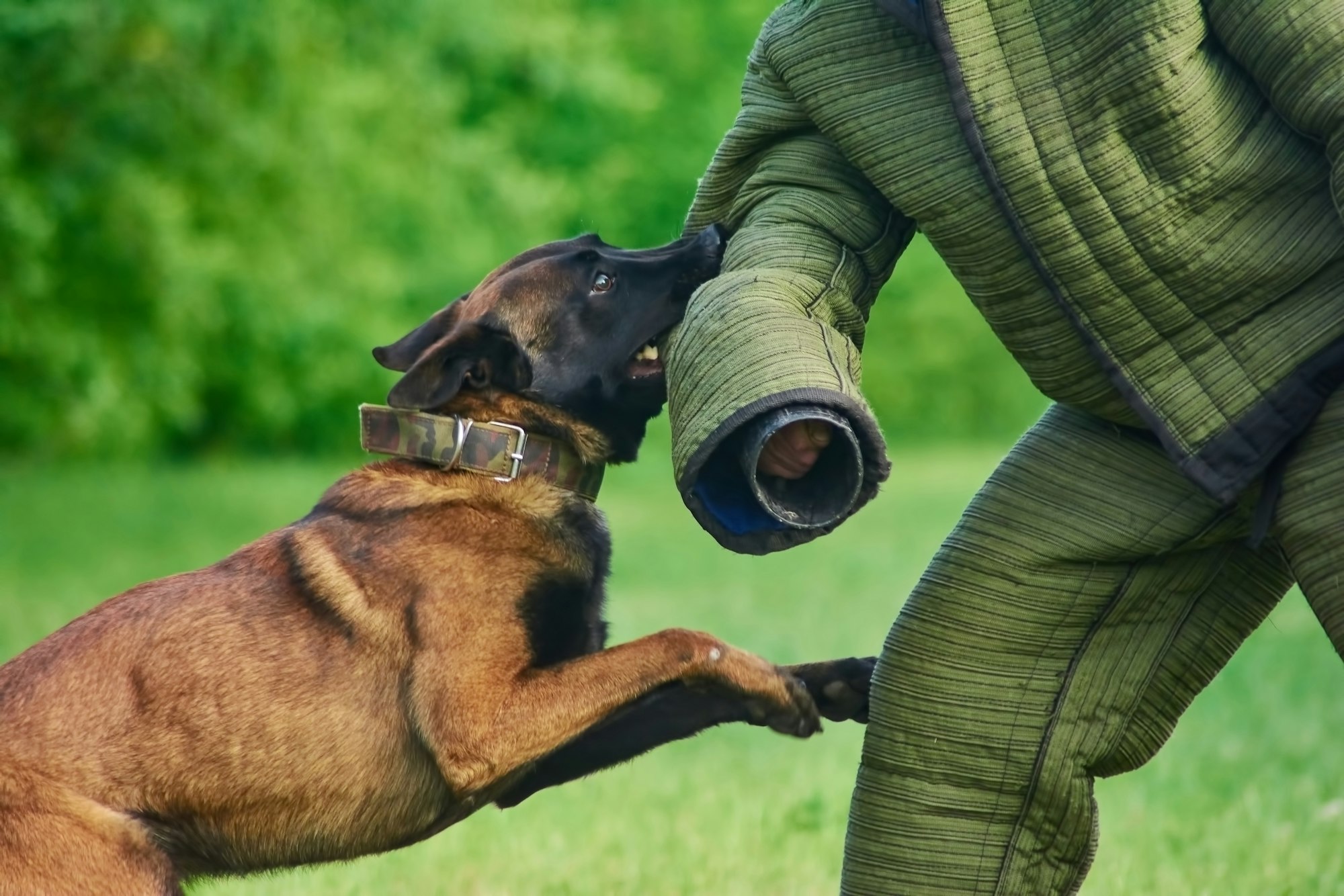
A dog bite can turn an ordinary afternoon into a medical, financial, and legal mess before anyone has time to think clearly. A dog bite claim is built on one hard question: did the owner fail to act with reasonable care before the animal caused harm? That answer depends on facts, timing, state law, and the proof you can still gather after the shock wears off.
Across the U.S., dog bite rules vary because some states rely on strict liability laws while others still use versions of the old one-bite rule or negligence standards. The National Conference of State Legislatures notes that most states and Washington, D.C., have strict liability statutes, while a smaller group still follows some form of the one-bite rule.
That legal patchwork is why early choices matter. Medical records, witness names, photos, animal control reports, and owner statements can shape the entire case. For readers comparing public-facing legal information and trusted legal publishing resources, the lesson is simple: the bite itself starts the story, but negligence proof usually decides how strong the case becomes.
Why a Dog Bite Claim Depends on More Than the Bite
A bite mark may look like the obvious center of the case, but courts and insurers look beyond the wound. They ask where the attack happened, who controlled the dog, what the owner knew, and whether a safer choice would have prevented the harm. That is where dog owner liability becomes a fact-driven question, not a quick assumption.
How dog owner liability changes by state
State law can change the whole path of a case. In strict liability states, an owner may be responsible for a bite even when the dog had no known history of aggression. In one-bite or negligence-based states, the injured person may need to show the owner knew, or should have known, that the dog posed a risk.
That difference affects evidence from day one. A person bitten in California may face a different burden than someone bitten in Texas, Virginia, or another state with a more fault-focused approach. The legal theory decides what details matter most, from leash rules to prior complaints.
The counterintuitive part is that a friendly dog can still create liability. The law often cares less about the dog’s personality and more about the owner’s choices. A dog that jumps, snaps, lunges, escapes a yard, or scares neighbors may create warning signs even before a serious bite happens.
Why the owner’s choices matter before the attack
Negligence focuses on conduct. Cornell Law School’s Legal Information Institute defines negligence as a failure to act with the level of care a reasonable person would use under the same circumstances. In a dog case, that can mean failing to leash, failing to repair a gate, ignoring growling behavior, or letting a dog roam near children.
The strongest facts often come from ordinary moments. A broken fence latch matters. A warning text from a neighbor matters. A prior incident at a park matters. Dog bite negligence rarely appears as one dramatic mistake. It is often a chain of smaller choices that nobody took seriously until someone got hurt.
A common example is a delivery driver bitten after entering a front walkway where the owner knew the dog rushed the door. The issue is not whether the owner loved the dog or believed it was safe. The issue is whether a careful person would have restrained the animal before opening the door.
Building the Negligence Story From the First Hour
The first hour after a bite is messy, but it can carry more legal weight than people expect. Pain, fear, and embarrassment make victims leave too quickly or accept casual promises from the owner. That can weaken the record before the injury has even been treated.
What bite injury evidence should be saved immediately
Bite injury evidence starts with photos, but it does not stop there. Take pictures of the wound, torn clothing, blood on the ground, the location, the dog, the leash, the fence, and any warning signs. Save messages from the owner. Write down names of witnesses before they drift away.
Animal control reports can also help lock in details. They may identify the dog, confirm vaccination information, record the owner’s account, and show whether the animal had prior complaints. A report made the same day often sounds more reliable than a memory offered months later.
The mistake many people make is waiting until the wound “looks worse.” Bruising, swelling, stitches, infection, and scarring can develop over time, so photos should continue across days and weeks. A case file with a timeline tells a stronger story than one dramatic image taken at the emergency room.
Why medical records speak louder than memory
Medical care protects both health and proof. Dog bites can involve puncture wounds, nerve damage, infection risk, scarring, tendon injury, and emotional distress. The CDC advises proper wound care and tetanus-related assessment based on wound type and vaccination history, which shows why medical review should not be treated as optional after a serious bite.
Records also connect the injury to the incident. An insurer may question whether a scar, infection, or mobility problem came from the dog attack. Emergency room notes, follow-up visits, prescriptions, wound checks, and specialist referrals answer that challenge with dates and clinical detail.
Dog attack injuries can also affect daily life in ways a bill never captures. A child may fear walking past dogs. A server may lose shifts because hand movement hurts. A construction worker may miss work because a leg wound will not close. Those losses need documentation before they fade into vague frustration.
Connecting Conduct, Injury, and Money Damages
A negligence case does not win because the owner behaved badly in the abstract. It wins when the conduct connects to the injury and the injury connects to real damages. That bridge matters because insurers often attack the spaces between those points.
How dog bite negligence links behavior to harm
The basic negligence structure asks whether the owner owed a duty, breached that duty, caused harm, and left the injured person with damages. Cornell’s explanation of negligence centers on the reasonable care expected under the circumstances, which is why the same action may look different in a fenced backyard, a public park, or a crowded apartment hallway.
Causation is where weak files fall apart. A loose dog is not enough if nobody can explain how that looseness led to the bite. A prior growl is not enough unless it helps show the owner should have predicted risk and taken action.
A useful example is a landlord who knows a tenant’s dog has rushed people in a shared stairwell. If the landlord has control over common-area safety and ignores repeated complaints, the case may expand beyond the dog owner. The legal details vary by state, but the factual pattern can matter.
What dog attack injuries reveal about long-term loss
Damages are not limited to the first medical bill. They may include emergency care, surgery, infection treatment, scar revision, therapy, lost wages, reduced earning ability, pain, sleep problems, and fear around animals. Severe cases can change how someone moves through ordinary life.
Insurance data shows why companies take these cases seriously. The Insurance Information Institute reported that dog bite and other dog-related injury claims cost homeowners insurers $1.862 billion in 2025, with 28,450 claims nationwide. That number explains the pressure behind settlement talks.
The unexpected truth is that a smaller-looking bite can still carry a high value if it lands in the wrong place. A puncture near the face, hand, wrist, calf, or joint can affect appearance, work, or movement more than a wider wound on a less sensitive area. The location matters as much as the size.
Handling Insurance Pressure Without Weakening the Case
Insurance adjusters often sound calm because that is part of the process. Their job is to gather facts, evaluate risk, and limit exposure where they can. Your job is not to argue emotionally. Your job is to protect the record while the medical and legal picture becomes clear.
Why recorded statements can damage a strong file
Recorded statements can create problems when given too early. A victim may say the wound is “not too bad” before infection appears. A parent may say a child is “fine” before nightmares begin. A worker may guess at missed wages before the doctor limits activity.
The danger is not dishonesty. The danger is timing. Early statements often capture shock, politeness, and incomplete medical information. Insurers may later compare those words against stronger claims and suggest the injury grew only after money entered the conversation.
A better approach is calm documentation. Report the incident. Seek care. Save proof. Avoid blame-heavy arguments with the owner. Do not post dramatic updates online. A clean factual record carries more force than anger, especially when liability is contested.
When legal help becomes the smartest move
Legal help becomes more valuable when injuries are serious, scarring is likely, the dog had prior incidents, the owner denies fault, or the insurer pushes for a fast settlement. It also matters when children are involved because long-term trauma and scarring may take time to measure.
Dog owner liability can also involve insurance limits, renters policies, homeowners coverage, business premises, landlords, or public property. A simple neighborhood bite may become more complex once the investigation identifies who controlled the dog or the location.
The quiet warning is this: fast money can be expensive. A settlement usually closes the case, even if later treatment costs more than expected. No one should sign away rights before the injury, scar risk, medical bills, lost income, and future care needs are understood.
A serious bite case rewards patience, proof, and local legal guidance. A strong dog bite claim does not depend on outrage or guesswork. It depends on showing what the owner should have done, how that failure caused harm, and why the losses deserve fair compensation. State law still controls the final path, so anyone facing medical bills, missed work, scarring, or a denied insurance response should speak with a qualified personal injury lawyer in their state. The next best step is simple: preserve every record today, because tomorrow’s case will be built from what you save now.
Frequently Asked Questions
How do you prove negligence after a dog bite injury?
Proof usually comes from medical records, photos, witness statements, animal control reports, prior complaints, leash law violations, and evidence showing the owner failed to control the dog. The goal is to connect the owner’s careless action or inaction directly to the injury.
What evidence matters most in a dog bite case?
The strongest evidence often includes same-day photos, emergency room records, witness names, owner contact details, dog vaccination records, torn clothing, surveillance footage, and official reports. Bite injury evidence works best when it creates a clear timeline from attack to treatment.
Can a dog owner be liable if the dog never bit anyone before?
Yes, depending on state law and the facts. Strict liability states may hold owners responsible without prior aggression. In negligence states, the injured person may still prove fault if the owner ignored risks like lunging, escaping, growling, or poor restraint.
What should I do first after being bitten by a dog?
Get medical care, identify the dog and owner, report the incident to animal control, photograph the wound and scene, collect witness information, and avoid giving detailed insurance statements too early. Health comes first, but documentation should start as soon as possible.
Are dog bite cases handled differently for children?
Yes, children often need special attention because scarring, fear, and emotional trauma can affect them longer. Courts and insurers may also examine supervision, the dog’s history, and whether adults failed to prevent a foreseeable danger around a child.
Can I recover lost wages after a dog attack?
Lost wages may be recoverable when medical records and employment documents show the bite kept you from working. Pay stubs, employer letters, doctor restrictions, and missed-shift records help prove income loss instead of leaving it as a rough estimate.
What if the dog bite happened on someone else’s property?
The property location can affect who may be responsible. The dog owner is often the first focus, but landlords, businesses, or property managers may matter if they knew about a dangerous condition and had control over the area where the attack happened.
When should I contact a lawyer for a dog bite injury?
Contact a lawyer when the injury needs medical treatment, scarring is possible, the owner denies responsibility, the insurer calls quickly, a child was bitten, or prior dog aggression may exist. Early advice can prevent mistakes that weaken the claim.